


.jpg)


1. Introduction
Education is changing dramatically in Australia today. In K-12 schools, post-secondary education, corporate education, and skills training, EdTech platforms are creating a new learning experience, driving rapid growth in Education app development in Australia. With so many people using digital tools and expecting more from their education experience, there is a lot of pressure to create a wide range of new EdTech solutions throughout Australia.
Since students want flexible, mobile-based, and personalized learning experiences, education providers and start-ups need to create EdTech platforms that are scalable, accessible, and secure; however, traditional methods of developing apps are too expensive, take too long, and require too much maintenance to meet those needs. This is why many organizations are now exploring FlutterFlow for education apps to accelerate development and reduce costs.
FlutterFlow, an exciting new low-code solution for EdTech app development, is providing a way for developers to quickly and cost-effectively create high-performance cross-platform education apps. As a modern approach to FlutterFlow EdTech app development, it enables teams to build robust learning platforms faster than traditional frameworks. With the ability to seamlessly integrate backends and add customizations, FlutterFlow is empowering EdTech innovators to turn ideas into working products at scale without sacrificing either quality or performance, making it ideal for building EdTech apps with FlutterFlow.
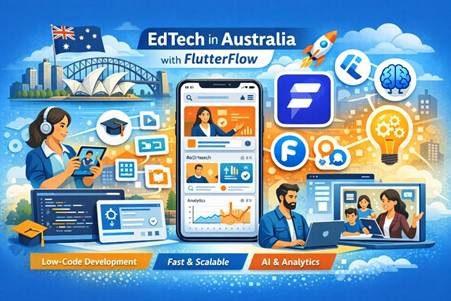
Throughout this blog, we'll explore the rapid growth of EdTech in Australia, the trends shaping the future of digital learning, and the different types of education apps transforming the sector. We'll also examine why FlutterFlow has become a leading platform for EdTech development, the essential features every education app should include, and real-world use cases demonstrating its capabilities.
Additionally, we'll discuss how technologies such as AI and analytics are enhancing personalized learning experiences, improving engagement, and delivering better outcomes for students and educators alike.
Whether you're an EdTech startup founder, an educational institution, or a technology leader, this guide will provide practical insights into building scalable, future-ready education apps with FlutterFlow and accelerating digital innovation
2. The Rise of EdTech and Its Impact on Learning
There is a rapid digital transformation of education in Australia, driving increased demand for Education app development in Australia. The reliance on physical classrooms, printed materials, and a set schedule for education is being replaced with technology-enabled learning systems that can accommodate the needs of today's students. Technology has led schools, universities, training organizations, and ed-tech start-ups to adopt digital platforms as an option for providing education that can be delivered at the time needed, is flexible, inclusive, and results-driven, often leveraging FlutterFlow for education apps to speed up innovation.
Traditional classroom-based instructional methods have transitioned rapidly to blended, online, and technology-driven instructional delivery as a result of student expectations of digital access, the demand for skilled workers in the workforce, and the ability to continue education without interruptions. Students want digital experiences that mirror their daily app experience; that is, easy, fast, and personalized. Therefore, ed-tech is no longer a "nice-to-have" but a strategic requirement for educational providers who wish to remain viable and competitive, especially as more institutions invest in FlutterFlow EdTech app development and scalable EdTech apps with FlutterFlow.
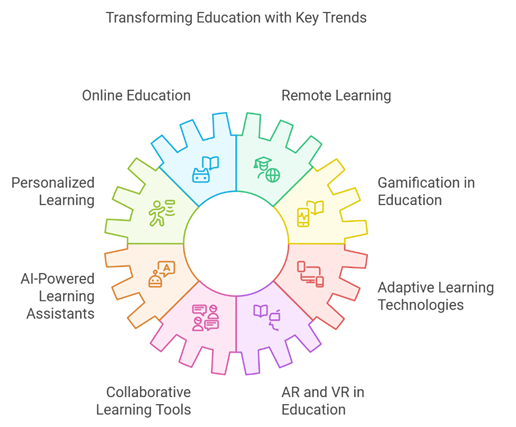
Key EdTech Trends Reshaping Education
The evolution of EdTech is driven by several powerful trends that are redefining how learning is designed, delivered, and measured, accelerating Education app development in Australia.
1. Online Education Platforms – Anytime, Anywhere Learning
Online learning platforms enable students to access educational content at their own pace, from any location. This flexibility supports diverse learning needs and removes geographical barriers, making education more accessible across Australia through scalable EdTech apps with FlutterFlow.
2. Remote & Hybrid Learning Models
Remote and hybrid learning combine digital platforms with traditional teaching methods. These models allow institutions to scale education delivery while maintaining engagement and continuity, particularly in higher education and corporate training, where FlutterFlow for education apps enables faster deployment.
3. Personalized Learning Experiences
Modern EdTech platforms tailor content, pace, and assessments to individual learners. Personalization helps improve comprehension, retention, and overall learning outcomes by adapting to each student’s strengths and challenges, a core focus of FlutterFlow EdTech app development.
4. Gamification in Education
Gamification introduces elements such as rewards, leaderboards, and interactive challenges into learning experiences. These features increase motivation, engagement, and participation, especially in K-12 and skill-based learning apps built as part of Education app development in Australia initiatives.
5. AI-Powered Learning Assistants
Artificial intelligence is enabling smart tutoring systems that provide real-time guidance, answer questions, and support learners outside traditional classroom hours, enhancing both efficiency and learner satisfaction within modern EdTech apps with FlutterFlow.
6. Adaptive Learning Technologies
Adaptive learning platforms dynamically adjust content and difficulty levels based on user performance. This ensures learners receive the right level of challenge and support at every stage of their learning journey, making them ideal for FlutterFlow for education apps.
7. Collaborative Learning Tools
Digital collaboration tools allow learners and educators to communicate, share resources, and work together in real time. These tools foster peer learning, teamwork, and knowledge sharing across virtual environments powered by FlutterFlow EdTech app development.
8. AR & VR in Education – Immersive Learning Experiences
Augmented Reality (AR) and Virtual Reality (VR) are transforming education by creating immersive, hands-on learning experiences. These technologies are especially impactful in fields such as healthcare, engineering, and science education within advanced Education app development in Australia.
9. Data-Driven Insights & Learning Analytics
Learning analytics enable educators and institutions to track progress, measure performance, and identify improvement areas. Data-driven insights support informed decision-making and continuous optimization of learning outcomes across EdTech apps with FlutterFlow.
10. Mobile-First Learning Solutions
With the widespread use of smartphones, mobile-first education apps have become essential. These solutions ensure learners can engage with content on the go, increasing accessibility and daily learning consistency through FlutterFlow for education apps.
3. How EdTech Is Shaping the Future of Education
EdTech is not just digitising traditional education models—it is fundamentally redefining how people learn, teach, and grow. By combining technology, data, and intelligent design, modern education platforms are creating learning experiences that are more effective, inclusive, and aligned with real-world needs. In Australia, this shift is playing a critical role in preparing students and professionals for a rapidly evolving digital economy, accelerating Education app development in Australia.
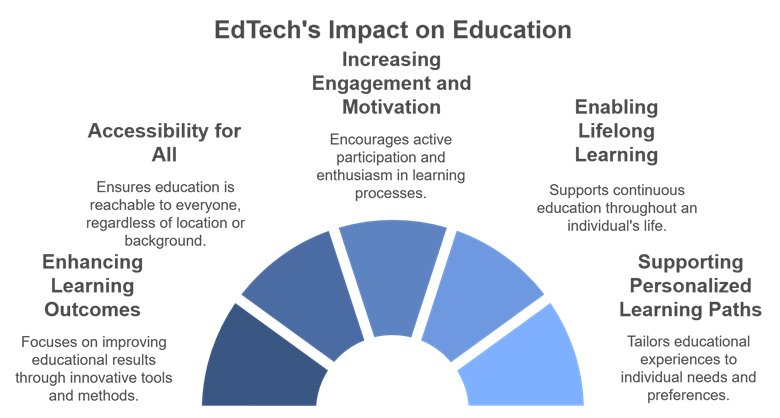
Transformational Benefits of EdTech
Improved Learning Outcomes
EdTech platforms enable structured, interactive, and data-driven learning experiences that enhance comprehension and knowledge retention. Features such as real-time feedback, assessments, and adaptive content help learners progress more effectively than traditional one-size-fits-all approaches, especially through modern EdTech apps with FlutterFlow.
Accessibility & Inclusivity for All Learners
Digital education removes physical and geographical barriers to learning. EdTech apps make education accessible to learners in remote areas, individuals with disabilities, and those balancing work or personal commitments—ensuring equal learning opportunities across diverse communities using FlutterFlow for education apps.
Higher Engagement & Motivation
Interactive content, multimedia lessons, and gamified experiences keep learners actively involved. By transforming passive learning into engaging experiences, EdTech significantly improves motivation and participation across age groups, a key advantage of the FlutterFlow EdTech app development.
Support for Lifelong Learning
As industries evolve, continuous upskilling has become essential. EdTech platforms support lifelong learning by enabling professionals to acquire new skills, certifications, and knowledge at their own pace throughout their careers, strengthening Education app development in Australia initiatives.
Personalized Learning Paths at Scale
Using data and intelligent algorithms, EdTech solutions can deliver personalized learning journeys to thousands of users simultaneously. Learners receive content and assessments tailored to their progress, strengths, and learning goals through scalable EdTech apps with FlutterFlow.
Global Collaboration & Knowledge Sharing
EdTech enables learners and educators from around the world to collaborate, share resources, and exchange ideas. This global connectivity fosters cultural exchange, teamwork, and broader perspectives beyond traditional classroom boundaries, supported by FlutterFlow for education apps.
Critical Thinking & Problem-Solving Development
Modern education apps emphasize interactive problem-solving, scenario-based learning, and real-world applications. These approaches help learners develop critical thinking and analytical skills essential for academic and professional success through FlutterFlow EdTech app development.
AI-Driven Adaptive Learning Experiences
Artificial intelligence enhances education by continuously analysing learner behaviour and performance. AI-driven systems dynamically adapt content, difficulty levels, and feedback to ensure optimal learning outcomes for every individual within advanced Education app development in Australia ecosystems.
4. Types of Education Apps Transforming Learning
EdTech is not a one-size-fits-all solution. Different learners, institutions, and industries require tailored platforms designed to meet specific educational goals. From academic learning to professional upskilling, a wide range of education apps are transforming how knowledge is delivered and consumed across Australia and beyond, contributing significantly to Education app development in Australia.
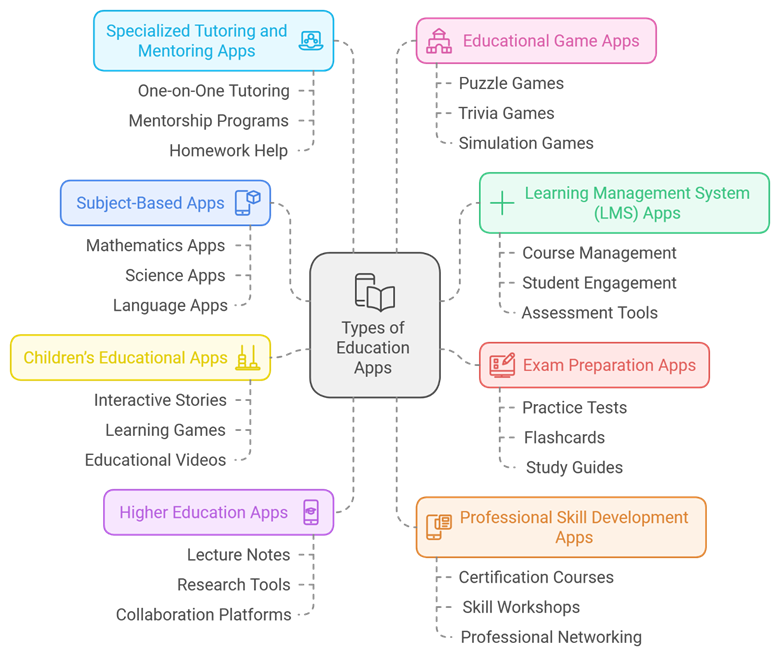
Popular EdTech App Categories
1. Subject-Based Learning Apps
These apps focus on specific subjects such as mathematics, science, languages, or coding. They provide structured lessons, practice exercises, and assessments, enabling learners to master individual subjects at their own pace using scalable EdTech apps with FlutterFlow.
Example:
Duolingo is a popular subject-based app that helps users learn new languages through engaging exercises and gamification. With options to learn many languages, Duolingo makes language learning accessible, fun, and adaptable to the user’s pace and schedule.
2. Learning Management System (LMS) Apps
LMS apps act as centralized platforms for managing courses, content, users, and assessments. Widely used by schools, universities, and enterprises, LMS solutions support course delivery, progress tracking, and communication between educators and learners, often built using FlutterFlow for education apps.
Example:
Google Classroom is widely used by schools and universities to create assignments, track student progress, and foster communication between students and teachers—all within a unified platform. It enables a seamless online learning environment that enhances both teaching efficiency and student experience.
3. Exam Preparation & Assessment Apps
Designed to help students prepare for standardized tests and certifications, these apps offer mock exams, timed quizzes, performance analysis, and personalized improvement suggestions to boost confidence and results, making them a key focus area of FlutterFlow EdTech app development.
Example:
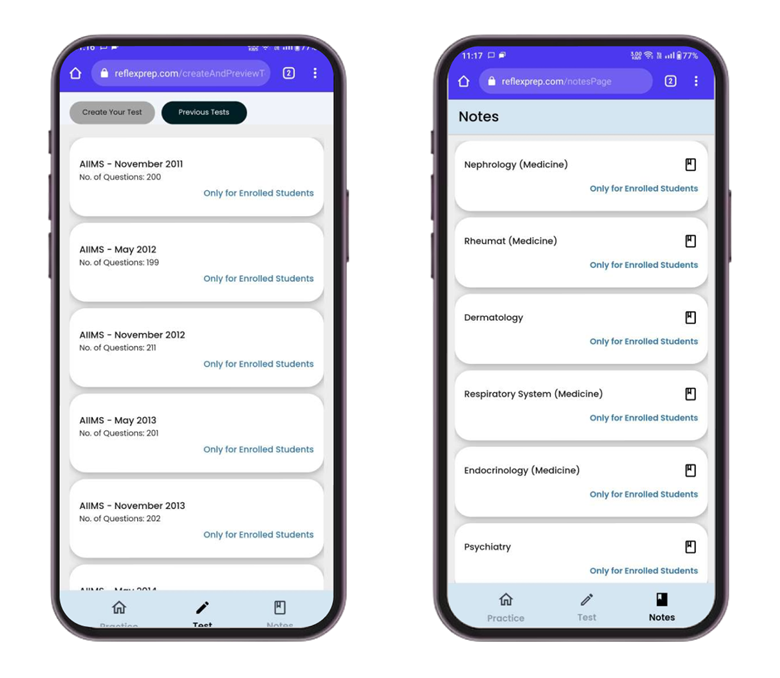
Reflex, developed by FlutterflowDevs, is an exam preparation app that helps students cover all subjects comprehensively. One of its standout features is its ability to simulate real exam conditions, which is particularly useful for NEET aspirants in India pursuing medical education. With subject-specific tests and progress tracking, Reflex serves as a critical resource for students on their journey to becoming healthcare professionals.
4. Children’s Educational Apps
Children’s learning apps use interactive visuals, animations, and gamification to make education engaging and age-appropriate. These apps support early learning, cognitive development, and creativity in a fun and intuitive way within modern Education app development in Australia initiatives.
Example:
ABCmouse is an educational app that introduces young children to reading, math, and other core skills through games and videos. By making learning entertaining and age-appropriate, ABCmouse helps children build a strong educational foundation.
5. Higher Education & University Apps
Universities and colleges use dedicated apps to deliver lectures, manage coursework, facilitate communication, and support remote learning. These platforms improve accessibility and enhance the overall student experience through robust EdTech apps with FlutterFlow.
Example:
Coursera is a renowned platform that offers access to courses from prestigious universities worldwide. Through Coursera, students can earn certifications or even complete degree programs from institutions like Yale, Stanford, and the University of Michigan, allowing them to further their education from anywhere.
6. Professional Skill Development & Upskilling Apps
Focused on career growth, these apps provide training in areas such as technology, business, design, and soft skills. They enable professionals to stay competitive in the job market through continuous learning powered by FlutterFlow for education apps.
Example:
LinkedIn Learning (formerly Lynda) offers courses on various professional skills, from data analytics to leadership. It’s popular among professionals who want to stay competitive by expanding their skill set or deepening their expertise in a specific field.
7. Tutoring & Mentorship Platforms
Tutoring apps connect learners with educators or mentors for one-on-one or group sessions. Features such as video calls, scheduling, and progress tracking make personalized guidance more accessible and scalable through FlutterFlow EdTech app development.
Example:
Wyzant is a tutoring platform that connects students with expert tutors in subjects ranging from math to music. Through Wyzant, students can receive personalized support and guidance, helping them achieve better academic results.
8. Educational Games & Interactive Learning Apps
Educational games blend learning with entertainment through challenges, simulations, and storytelling. These apps improve engagement and knowledge retention while making learning enjoyable across different age groups as part of Education app development in Australia.
Example:
Kahoot! is a quiz-based educational game app used by students and educators alike. It enables users to create and participate in quizzes on various subjects, making learning more exciting and accessible.
5. Why FlutterFlow Is Ideal for EdTech App Development
Building a successful EdTech application requires more than just a great idea—it demands speed, scalability, flexibility, and long-term reliability. FlutterFlow stands out as a powerful low-code platform that enables education-focused startups and institutions to build high-quality, scalable apps without the traditional complexity of app development, making it a strong choice for Education app development in Australia.
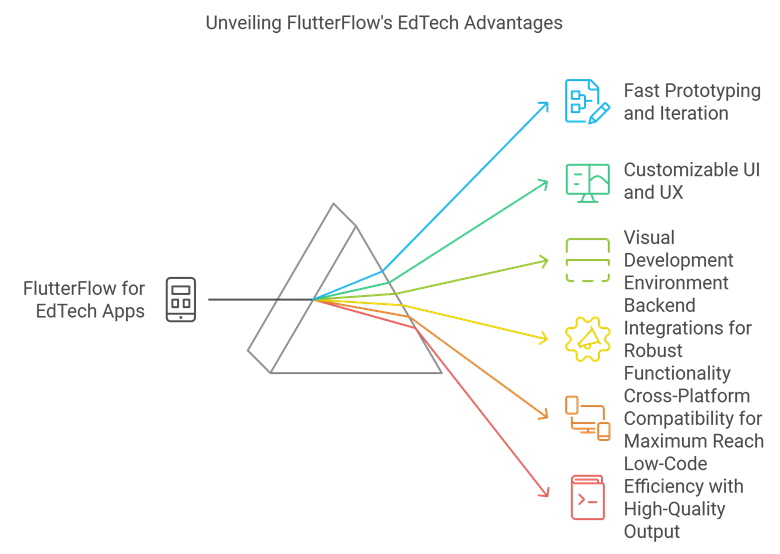
The FlutterFlow Advantage
1. Rapid Prototyping & Faster Time-to-Market
FlutterFlow enables teams to transform ideas into functional prototypes and production-ready applications rapidly. This rapid development cycle is especially valuable in the EdTech space, where market needs evolve quickly, and early user feedback is critical, positioning FlutterFlow EdTech app development as a competitive advantage.
2. Highly Customizable UI/UX for Learners & Educators
Education apps require intuitive and engaging interfaces tailored to different user roles such as students, teachers, and administrators. FlutterFlow provides complete design flexibility, enabling teams to create custom user experiences that enhance usability and learning engagement through FlutterFlow for education apps.
3. Visual Low-Code Development Environment
With its visual development approach, FlutterFlow simplifies complex workflows and logic without sacrificing control. This makes it easier for teams to collaborate, iterate, and maintain the app while reducing development overhead when building EdTech apps with FlutterFlow.
4. Seamless Backend & API Integrations
FlutterFlow integrates smoothly with popular backend services such as Firebase, Supabase, REST APIs, and custom backend solutions. This enables features like user authentication, real-time data updates, content management, and secure data handling—essential for modern EdTech platforms developed via FlutterFlow EdTech app development.
5. Cross-Platform Deployment (iOS, Android, Web)
EdTech apps must reach users across multiple devices. FlutterFlow enables developers to deploy a single codebase across mobile and web platforms, ensuring consistent performance and user experience while reducing development and maintenance costs for Education app development in Australia.
6. Low-Code Speed with Production-Grade Performance
Unlike many no-code tools, FlutterFlow is built on Google’s Flutter framework, delivering native-like performance and scalability. This makes it suitable not only for MVPs but also for enterprise-grade EdTech applications with growing user bases using EdTech apps with FlutterFlow.
6. Essential Features of EdTech Apps Built with FlutterFlow
To deliver impactful learning experiences, EdTech apps must go beyond content delivery and focus on interaction, adaptability, and inclusivity. FlutterFlow enables developers to build feature-rich education platforms that meet the expectations of modern learners and educators, strengthening Education app development in Australia.
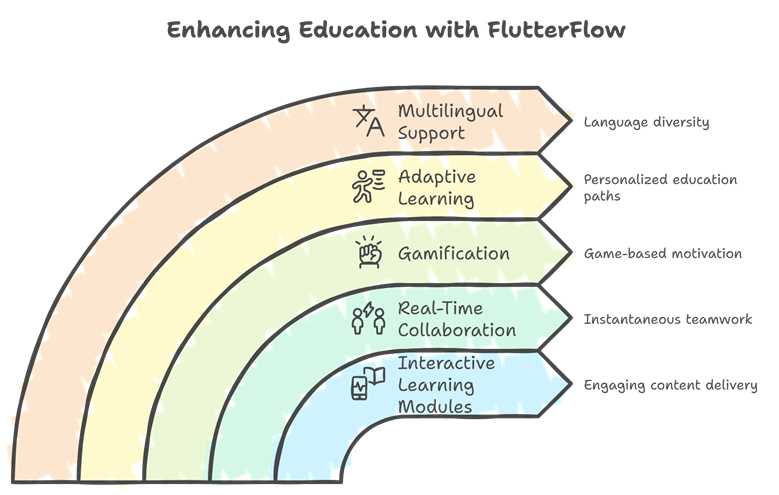
Core Functional Capabilities
1. Interactive Learning Modules
FlutterFlow supports the creation of dynamic learning modules that include videos, quizzes, animations, and interactive exercises. These modules encourage active participation and help learners better understand and retain information, making them ideal for EdTech apps with FlutterFlow.
2. Real-Time Collaboration & Communication
Effective learning often involves interaction between students and educators. With real-time chat, discussion boards, notifications, and live updates, FlutterFlow-powered EdTech apps facilitate seamless communication and collaborative learning environments through FlutterFlow for education apps.
3. Gamification & Reward Systems
Gamification elements such as points, badges, leaderboards, and achievements increase motivation and engagement. FlutterFlow makes it easy to implement these features, transforming learning into an enjoyable and goal-driven experience using FlutterFlow EdTech app development.
4. Adaptive Learning Engines
Adaptive learning engines adjust content and difficulty levels based on learner performance and behaviour. By integrating analytics and AI-powered logic, FlutterFlow enables personalized learning journeys that evolve with each user’s progress as part of Education app development in Australia.
5. Multilingual & Localization Support
Australia’s diverse population and global learner base require education platforms to support multiple languages and regional formats. FlutterFlow allows easy implementation of multilingual content and localization, ensuring inclusivity and wider reach across EdTech apps with FlutterFlow.
7. Real-World Success Stories in EdTech
FlutterFlow has enabled numerous educational institutions and EdTech startups to bring their innovative ideas to life, delivering powerful, user-friendly applications that cater to diverse learning needs and support Education app development in Australia. Here are some inspiring case studies showcasing how FlutterFlow has empowered educational platforms, tutoring apps, and skill development solutions to thrive:
1. Google Classroom: An Online Tutoring and Management Platform for Students of All Ages
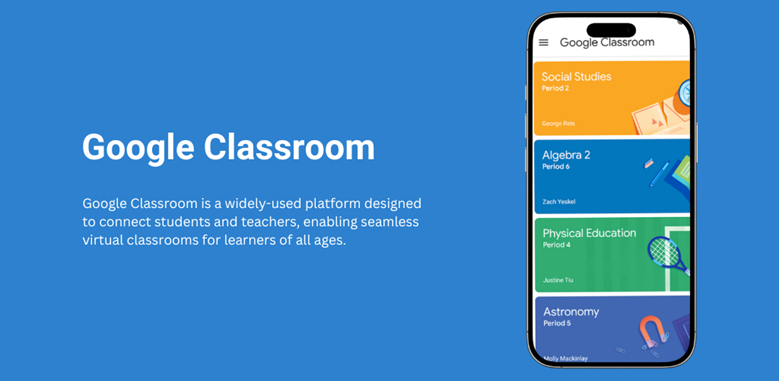
Overview:
Google Classroom is a widely-used platform designed to connect students and teachers, enabling seamless virtual classrooms for learners of all ages. It supports diverse educational needs, from young children in elementary school to college students. With interactive tools like assignment submissions, grading features, and real-time feedback options, Google Classroom simplifies remote education and collaboration.
How FlutterFlow Could Help in Building a Platform Like Google Classroom:
• Quick Prototyping and Iteration: With FlutterFlow’s visual development tools, platforms like Google Classroom can quickly build and test minimum viable products (MVPs) to gather user feedback. Rapid prototyping allows developers to refine the platform before fully launching, making it user-friendly and effective through FlutterFlow for education apps.
• Real-Time Features: FlutterFlow’s Firebase integration supports live chat, real-time grading, and document sharing, which are crucial for an immersive learning experience. Interactive elements, such as assignment submissions and live feedback, make it easier for teachers and students to stay engaged using EdTech apps with FlutterFlow.
• Scalability: Platforms like Google Classroom handle a large volume of concurrent users. Using backend integrations with tools like Firebase or Supabase, FlutterFlow makes scaling easy, ensuring smooth data management and high performance, even as user numbers grow as part of FlutterFlow EdTech app development.
With FlutterFlow, platforms like Google Classroom could maintain an intuitive interface with features designed for real-time, collaborative learning. Platforms benefit from smooth scaling, usability, and positive user feedback, building their reputation as dependable virtual learning spaces for students and educators alike.
2. Lexity: A Visual Journey Through Words
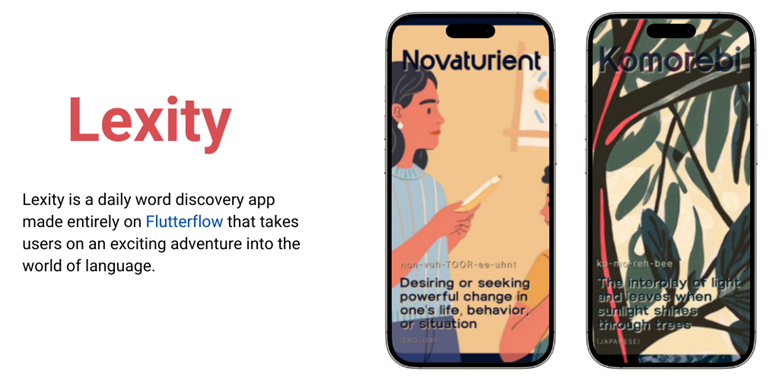
Overview:
Lexity isn’t just a dictionary; it’s a daily word discovery app that takes users on an exciting adventure into the world of language. Every day, Lexity introduces users to a rare, captivating word from around the globe, each one paired with a beautiful illustration that brings it to life. With rich details like the word's meaning, origins, and examples of its use, Lexity transforms vocabulary building into a visually engaging experience.
Key Features
• Daily Word Adventure: Lexity reveals a new word each day, encouraging users to explore its origins, understand its meaning, and see how it’s used in context. It's a unique and fun way to learn words that go beyond the everyday vocabulary.
• Beautiful Illustrations: Each word is accompanied by a thoughtfully crafted illustration, enhancing memory retention and making learning more enjoyable and visually appealing.
• Save & Share Your Favorites: Users can save their favorite words and share them with friends, making Lexity not just a personal learning tool but also a way to connect over language.
• Daily Word Alerts: Lexity keeps users engaged with notifications when the daily word is revealed, creating a sense of anticipation and a daily ritual of learning.
How Lexity Was Built
• Back-End with Buildship: Lexity uses Buildship’s automation tools to manage daily word selection and notifications, sent via OneSignal. Firebase handles data storage and retrieval, and AI-powered image generation adds a unique, artistic touch to each word illustration.
• Front-End UI with FlutterFlow: Built entirely with FlutterFlow, Lexity’s front-end is designed to be a beautiful, seamless experience. It uses features like the Shimmer animation, a swipable stack widget for ease of navigation, custom fonts, and smooth color transitions. Every aspect of Lexity’s design invites users to dive into the world of words as part of EdTech apps with FlutterFlow.
With FlutterFlow, you can easily create engaging learning apps like Lexity that draw users in and keep them coming back. FlutterFlow’s no-code platform makes it simple to build apps with stunning visuals and interactive features, perfect for daily word adventures, language tools, or educational content for kids through FlutterFlow for education apps.
The platform’s easy customization, smooth animations, and powerful integrations help turn any learning app into an exciting experience users will love.
3. Reflex: Exam Preparation App for Aspiring Medical Students
Overview:
Reflex was developed as an exam preparation app tailored for students preparing for competitive exams like NEET, essential for medical school admissions in India. The app offers features such as timed practice tests, topic-specific quizzes, and performance tracking to help students study effectively.
How FlutterFlow Helped:
• Timed and Adaptive Testing: FlutterFlow’s backend flexibility allowed Reflex to create timed tests that adapt based on student performance, simulating real exam conditions through FlutterFlow EdTech app development.
• Detailed Performance Analytics: Using FlutterFlow’s customizable components, Reflex integrated analytics that show students their strengths, weaknesses, and improvement over time, helping them focus on areas that need more attention.
• Progress Tracking and Motivation: Gamified features, like streaks and rewards, keep students motivated to stick with their study plans and track progress over time.
Outcome:
Reflex quickly gained popularity among NEET aspirants, earning high ratings for its ease of use and effective study tools. It has helped thousands of students prepare for exams with confidence, solidifying its reputation as a trusted exam prep resource.
FlutterFlow’s flexibility, scalability, and ease of use have been instrumental in enabling these EdTech platforms to launch quickly, adapt to user needs, and grow sustainably. From interactive learning modules and real-time collaboration to gamification and multilingual support, FlutterFlow empowers developers and educators to create feature-rich apps that cater to a modern, diverse audience of learners while advancing Education app development in Australia.
8. Integrating AI & Analytics in EdTech Apps with FlutterFlow
Artificial Intelligence and learning analytics are redefining how education platforms deliver value. When combined with FlutterFlow’s flexible architecture and backend integrations, AI and analytics enable EdTech apps to offer smarter, more personalized, and data-driven learning experiences for students and educators alike, strengthening Education app development in Australia.
AI Features: Smarter, Personalized Learning
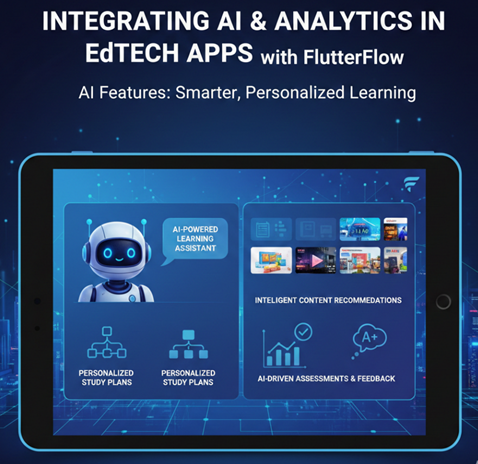
1. AI-Powered Learning Assistants
AI-powered assistants can guide learners in real time by answering questions, recommending resources, and providing contextual support. These virtual assistants improve learner engagement while reducing the workload on educators, making them ideal for EdTech apps with FlutterFlow.
2. Personalized Study Plans
By analysing learner behaviour, performance, and goals, AI can automatically generate personalized study plans. FlutterFlow allows seamless integration of AI models and APIs to deliver tailored learning journeys at scale through FlutterFlow for education apps.
3. Intelligent Content Recommendations
AI-driven recommendation engines suggest relevant lessons, videos, or exercises based on user progress and interests. This ensures learners receive the right content at the right time, improving knowledge retention and outcomes via FlutterFlow EdTech app development.
4. AI-Driven Assessments & Feedback
AI enhances assessments by enabling automated grading, instant feedback, and adaptive question difficulty. These features provide learners with timely insights while maintaining assessment accuracy and fairness across Education app development in Australia initiatives.
Learning Analytics: Measuring What Matters
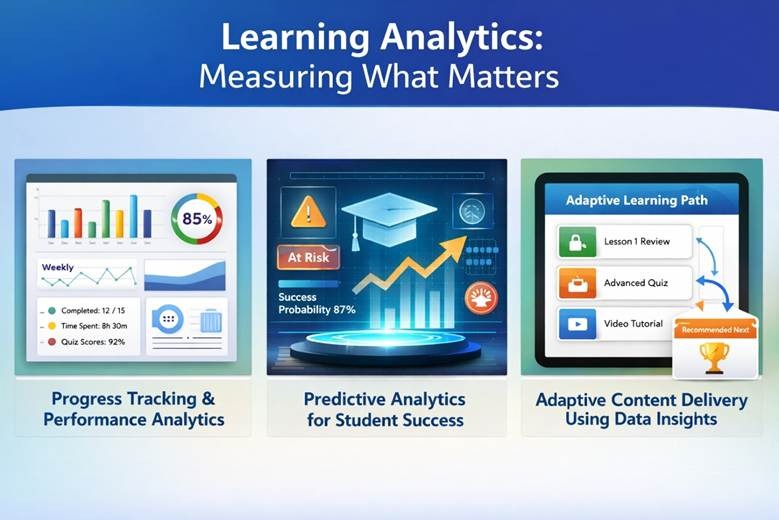
1. Progress Tracking & Performance Analytics
Learning analytics dashboards track user progress, completion rates, and assessment scores. These insights help educators monitor learner performance and identify areas that require additional support within EdTech apps with FlutterFlow.
2. Predictive Analytics for Student Success
Predictive analytics uses historical data to identify patterns and potential risks, such as drop-offs or performance gaps. This enables early intervention and proactive learner support using FlutterFlow for education apps.
3. Adaptive Content Delivery Using Data Insights
Analytics-driven systems dynamically adjust content delivery based on learner engagement and outcomes. This ensures that learning experiences remain relevant, effective, and aligned with individual needs through FlutterFlow EdTech app development.
The Combined Power of AI & Analytics
When AI and analytics work together, EdTech platforms unlock a new level of intelligence and efficiency across Education app development in Australia:
• Hyper-Personalized Student Experiences through continuous adaptation
• Data-Driven Educator Decision-Making supported by real-time insights
• Continuous Learning Improvement Loops driven by performance feedback
• Actionable Insights for Institutions to enhance curriculum and outcomes
By leveraging FlutterFlow’s extensibility and integration capabilities, EdTech innovators can build intelligent platforms that evolve with learner needs and deliver measurable educational impact using EdTech apps with FlutterFlow.
9. Challenges in Building EdTech Apps — and How FlutterFlow Solves Them
While EdTech offers immense potential, building a successful education platform comes with its own set of technical and operational challenges. From handling growing user bases to ensuring data security, EdTech apps must meet high standards of performance, reliability, and compliance, especially within Education app development in Australia.
Common EdTech Challenges
1. Scalability & Performance
EdTech platforms often experience fluctuating usage patterns, such as spikes during exams, live sessions, or new course launches. Ensuring consistent performance while supporting a growing number of users can be complex and resource-intensive, making FlutterFlow EdTech app development a preferred approach.
2. User Experience Across Devices
Learners access education apps from a variety of devices, including smartphones, tablets, and desktops. Delivering a seamless and intuitive user experience across all screen sizes and platforms is a major challenge for many EdTech solutions, addressed effectively through FlutterFlow for education apps.
3. Data Privacy & Security Compliance
Education platforms handle sensitive user data, including personal information, learning records, and payment details. Compliance with data protection regulations and maintaining high security standards is essential for building user trust and institutional credibility in Education app development in Australia.
How FlutterFlow Helps Overcome These Challenges
Scalable Architecture
FlutterFlow is built on Google’s Flutter framework and supports robust backend integrations that scale effortlessly as user demand grows. This allows EdTech apps to handle increasing traffic without compromising performance using EdTech apps with FlutterFlow.
Consistent Cross-Platform User Experience
With a single codebase for iOS, Android, and web, FlutterFlow ensures consistent design and behaviour across devices. This results in a unified and high-quality user experience for all learners and educators through FlutterFlow EdTech app development.
Secure Backend Integrations
FlutterFlow integrates seamlessly with secure backend services such as Firebase, Supabase, and custom APIs. These integrations enable secure authentication, role-based access, encrypted data handling, and compliance with education data privacy standards supported by FlutterFlow for education apps.
10. Getting Started: Building Your EdTech App with FlutterFlow
Turning your EdTech idea into a fully functional application may seem daunting, but FlutterFlow makes it efficient, scalable, and accessible, even for teams with limited coding experience. By following a structured approach, you can move from concept to a production-ready app while ensuring quality, performance, and learner engagement as part of Education app development in Australia.
Step-by-Step Development Approach
1. Create a FlutterFlow Account
Start by signing up for FlutterFlow and exploring its intuitive low-code development environment. Familiarize yourself with its drag-and-drop interface, templates, and pre-built widgets tailored for education apps built through FlutterFlow for education apps.
2. Define Your App’s Vision & Goals
Clarify the purpose of your app. Are you building a learning management system, a gamified skill-building platform, or a tutoring solution? Establish clear objectives to guide your development process and measure success within the FlutterFlow EdTech app development.
3. Identify Your Target Audience
Understanding your learners is crucial. Determine their age group, learning preferences, device usage, and accessibility needs. This will influence app design, content structure, and feature selection for scalable EdTech apps with FlutterFlow.
4. Select Core Features & Monetization Strategy
Decide on essential features such as interactive modules, AI personalization, collaboration tools, or gamification. Additionally, consider how the app will generate revenue through subscriptions, in-app purchases, or institutional partnerships aligned with Education app development in Australia.
Key Technical & Business Considerations
1. App Design & User Experience
Prioritize intuitive navigation, engaging interfaces, and accessibility. FlutterFlow’s design flexibility enables you to craft visually appealing layouts that resonate with learners and educators using FlutterFlow for education apps.
2. Backend & Database Integration
Integrate your app with reliable backend solutions like Firebase, Supabase, or custom APIs to manage users, content, and analytics securely. FlutterFlow simplifies these integrations while maintaining robust performance for FlutterFlow EdTech app development.
3. Learning Flow & Content Structure
Map out the user journey and course flow. Organize lessons, quizzes, and progress tracking in a logical sequence to ensure a smooth, engaging learning experience across EdTech apps with FlutterFlow.
4. Data Security & Compliance Standards
Implement secure authentication, encrypted storage, and role-based access controls. Ensure compliance with local regulations and best practices to protect learner data and build trust in Education app development in Australia.
Customization & Scalability Options
• UI Customization: Tailor the app’s look and feel to align with your brand and target audience using FlutterFlow for education apps.
• Third-Party Integrations: Add tools for payments, analytics, video streaming, or collaborative learning within EdTech apps with FlutterFlow.
• AI & Analytics Expansion: Incorporate AI-driven personalization, predictive analytics, and learning insights to continuously enhance the user experience through FlutterFlow EdTech app development.
By following these steps, you can transform your EdTech vision into a scalable, engaging, and intelligent app using FlutterFlow, while saving development time and cost compared to traditional approaches and accelerating Education app development in Australia.
11. Conclusion
EdTech is transforming education across Australia, replacing traditional learning models with digital, personalized, and technology-driven experiences. From K-12 schools and universities to professional upskilling and lifelong learning, educational institutions are increasingly adopting digital platforms to improve accessibility, engagement, and learning outcomes. As a result, education app development in Australia is no longer optional—it's essential for organizations seeking to remain competitive and future-ready.
Emerging technologies such as AI-powered personalization, gamification, mobile learning, and AR/VR are reshaping how knowledge is delivered and consumed. These innovations not only enhance student engagement but also enable educators to leverage data-driven insights, support adaptive learning paths, and create more inclusive learning environments.
Choosing the right development platform is critical to building successful EdTech solutions. FlutterFlow has emerged as a powerful low-code platform that enables startups, institutions, and enterprises to rapidly develop scalable, high-performance education applications. With cross-platform capabilities, backend integrations, and support for AI and analytics, FlutterFlow empowers teams to build interactive learning platforms faster and more cost-effectively than traditional development methods.
Throughout this guide, we've explored the key components of modern EdTech applications—from learning management systems and tutoring platforms to gamified learning experiences and AI-driven personalization. We've also highlighted the importance of scalability, user experience, accessibility, and data privacy in creating future-proof education solutions.
At FlutterFlowDevs, we help startups, educational institutions, and enterprises transform EdTech ideas into secure, scalable, and production-ready applications. From concept and UI/UX design to backend integration and deployment, our team provides end-to-end expertise to bring innovative learning experiences to life.
The future of education is digital, intelligent, and data-driven. By embracing FlutterFlow and modern EdTech best practices, organizations can empower learners, support educators, and shape the future of education in Australia and beyond.
Now is the time to build the next generation of EdTech applications—creating experiences that inspire, engage, and educate learners for years to come.


View more blogs
.png)


.png)
.png)

%20%5Bweb-search%5D_a_change__2025__to__20.jpg)
.png)
.png)
.png)
Ready to develop your own product? Get in touch today!
Get in Touch
